Our Blog
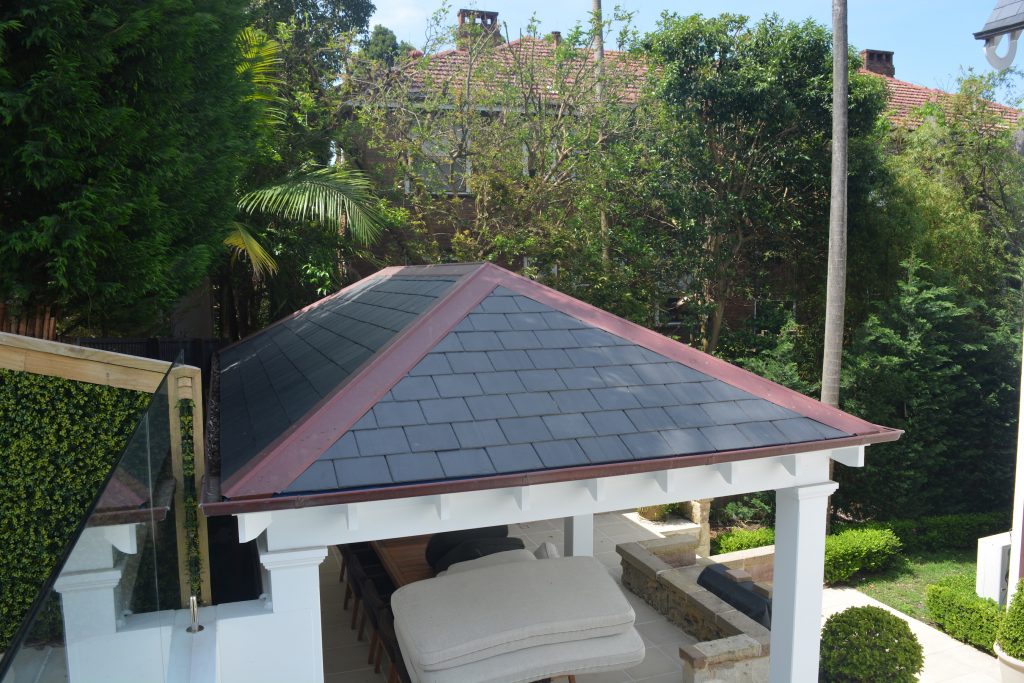
Benefits of Heritage Roof Restoration compared to a Replacement
Owning a heritage home means preserving more than just a building; it means protecting history, craftsmanship, and long-term value. When roofing issues appear, many property owners assume replacement is the only option. In reality, heritage roof restoration is often the smarter, more compliant solution. By repairing and preserving original materials, restoration maintains architectural authenticity while resolving leaks, weather damage, and structural wear. It also aligns with heritage regulations and avoids unnecessary disruption. Understanding how restoration works and why it is preferred over replacement helps homeowners make informed decisions that protect both their property and its historical significance.
What Is involved in Heritage Roof Restoration?
Heritage roof restoration involves repairing, stabilising, and preserving an existing heritage roof rather than removing and replacing it entirely. This process includes careful inspection, selective replacement of damaged elements, and reinstatement using like-for-like materials.
Common restoration work includes rebedding ridge caps, repairing flashing, replacing broken tiles or slate, and addressing underlying timber or batten issues. In many cases, original materials can be salvaged and reused, particularly in heritage slate roofing, where longevity is one of the material’s greatest strengths.
Unlike standard heritage roofing repairs, restoration requires a deeper understanding of traditional construction methods and historical accuracy. The goal is not simply to fix a problem, but to extend the life of the roof while maintaining its original appearance and compliance.
Is It Better to Restore or Replace a Heritage Roof?
In most cases, restoring a heritage roof is the better option. Restoration preserves original materials, workmanship, and architectural detail that are difficult or impossible to replicate. Full replacement often triggers planning complications, increased costs, and potential non-compliance with heritage guidelines.
Heritage roof restoration targets only the areas that require attention, improving performance without altering the building’s character. Replacement is generally reserved for situations where the roof structure is beyond repair or poses a safety risk. For most heritage properties, restoration offers a balanced solution between preservation, performance, and compliance.
Key Benefits of a Heritage Roof Restoration Instead of a Replacement
One of the primary advantages of restoration is the preservation of historical authenticity. Original roof materials were often designed to last for decades, and in some cases centuries, when properly maintained. Restoration allows these materials to continue performing as intended.
From a practical standpoint, restoration is less disruptive than replacement. It avoids unnecessary demolition, reduces waste, and protects the underlying structure. This approach is particularly important for heritage roofing, where changes to roof pitch, materials, or detailing can significantly impact heritage value.
Financially, restoration can offer better long-term value. While specialist labour may be required, reusing original materials and avoiding full replacement costs often balances the investment. When combined with professional heritage roofing repairs, restoration delivers durability without compromising character.
What Are the Benefits of Restoring a Heritage Roof Instead of Replacing It?
Restoring a heritage roof maintains architectural integrity, supports regulatory compliance, and protects property value. Original materials are retained wherever possible, ensuring visual consistency with the building’s era. Restoration is also environmentally responsible, producing far less waste than full replacement.
Importantly, restoration aligns with heritage council expectations, reducing approval delays and compliance risks. When performed by specialists, heritage roof restoration can significantly extend roof lifespan while preserving cultural significance.
Does a Heritage Roof Restoration Cost Less Than Full Roof Replacement?
In many cases, heritage roof restoration is more cost-effective than full replacement. Restoration avoids the expense of removing an entire roof, disposing of materials, and sourcing new heritage-compliant products. Reusing original components, particularly in heritage slate roofing, can result in substantial savings.
Additionally, restoration reduces the risk of approval delays or redesign costs caused by non-compliant replacement proposals. When long-term durability and avoided compliance issues are considered, restoration often delivers superior overall value.
How Heritage Roof Restoration Preserves Historical Value
Historical value lies in original materials, detailing, and construction methods. Restoration preserves these elements rather than replacing them with modern alternatives. Features such as slate dimensions, tile profiles, ridge detailing, and mortar finishes are maintained to reflect the building’s original design.
For heritage-listed homes, this authenticity is critical. Proper heritage roofing repairs ensure that the roof continues to reflect the era in which the property was built, supporting both heritage assessments and market appeal.
Structural Integrity and Longevity: What a Restoration Really Achieves
Heritage roof restoration goes beyond surface repairs. It addresses underlying structural concerns such as deteriorated battens, compromised flashing, and moisture ingress. By resolving these issues, the roof’s structural performance is significantly improved.
Discreet upgrades, such as modern underlays installed beneath traditional materials, enhance weather resistance without altering appearance. With professional restoration, roofs, especially those constructed using heritage slate roofing, can achieve an extended lifespan of several decades.
Heritage Regulations: Why a Restoration Is Often Required
Many local councils and heritage overlays strongly favour restoration over replacement. Regulations often require like-for-like materials and original detailing, making restoration the most compliant solution. In some cases, replacement may be restricted or require extensive justification and documentation.
Choosing heritage roof restoration reduces regulatory risk and ensures the work aligns with heritage conservation principles. Early consultation with specialists familiar with heritage requirements can prevent costly compliance issues.
Does Restoring a Heritage Roof Increase Property Value?
Yes. A professionally restored heritage roof enhances property value by preserving authenticity, improving durability, and ensuring compliance. Buyers of heritage homes place high value on original features that have been properly maintained.
A restored roof also signals responsible ownership, reducing concerns about future repairs or regulatory issues. In contrast, inappropriate replacement can negatively affect appeal and resale confidence. Quality heritage roofing work supports both marketability and long-term investment.
When a Replacement May Be the Only Option
While restoration is preferred, replacement may be necessary if the roof structure is severely compromised or unsafe. Extensive rot, structural failure, or irreparable material loss can make restoration impractical.
In such cases, replacement must still adhere to heritage guidelines, often requiring specialist materials and approvals. Even then, elements of the original roof may be salvaged and incorporated where possible. Replacement should always be considered a last resort following expert assessment.
Choosing the Right Heritage Roof Restoration Specialist
Selecting the right contractor is critical. Heritage roofing demands experience, traditional skills, and regulatory knowledge. Specialists should demonstrate proven expertise in heritage roofing repairs, material sourcing, and compliance processes.
Look for contractors with experience in heritage roof restoration projects similar to your property type and era. Proper documentation, transparent assessment, and respect for historical detail are essential indicators of quality workmanship.
Why Heritage Roof Restoration Is the Smarter Long-Term Choice
Heritage roof restoration offers a balanced solution that protects history, improves performance, and supports long-term value. By preserving original materials and addressing structural issues, restoration delivers durability without compromising character.
For most heritage properties, restoration is more compliant, less disruptive, and more cost-effective than replacement. With the right expertise, heritage roofing restoration ensures that historic homes remain both functional and authentic for generations to come.
FAQs
1. How long does heritage roof restoration typically last?
When completed correctly, heritage roof restoration can extend the life of a roof by 30–50 years or more, depending on materials and maintenance. Durable materials such as slate and terracotta respond particularly well to restoration. Ongoing inspections and minor upkeep further increase longevity.
2. Can modern materials be used in heritage roof restoration?
In most cases, heritage guidelines require like-for-like materials to preserve authenticity. However, modern materials may be used discreetly beneath the roof surface, such as improved underlays or fixings, provided they do not alter appearance or heritage character.
3. Do I need council approval for heritage roof restoration?
Minor heritage roof restoration and repairs often do not require full council approval, especially when materials and appearance remain unchanged. Full replacement or visible alterations usually require permits. Requirements vary by council and heritage overlay.
4. Is heritage roof restoration environmentally friendly?
Yes. Heritage roof restoration is more sustainable than replacement because it reuses existing materials, reduces landfill waste, and minimises new material production. This makes restoration a lower-impact option for heritage homeowners.
5. How do I know if my heritage roof can be restored instead of replaced?
A professional inspection is required to assess structural integrity, material condition, and compliance constraints. In most cases, roofs that appear heavily worn can still be restored. Replacement is typically recommended only when structural failure is extensive.