Our Blog
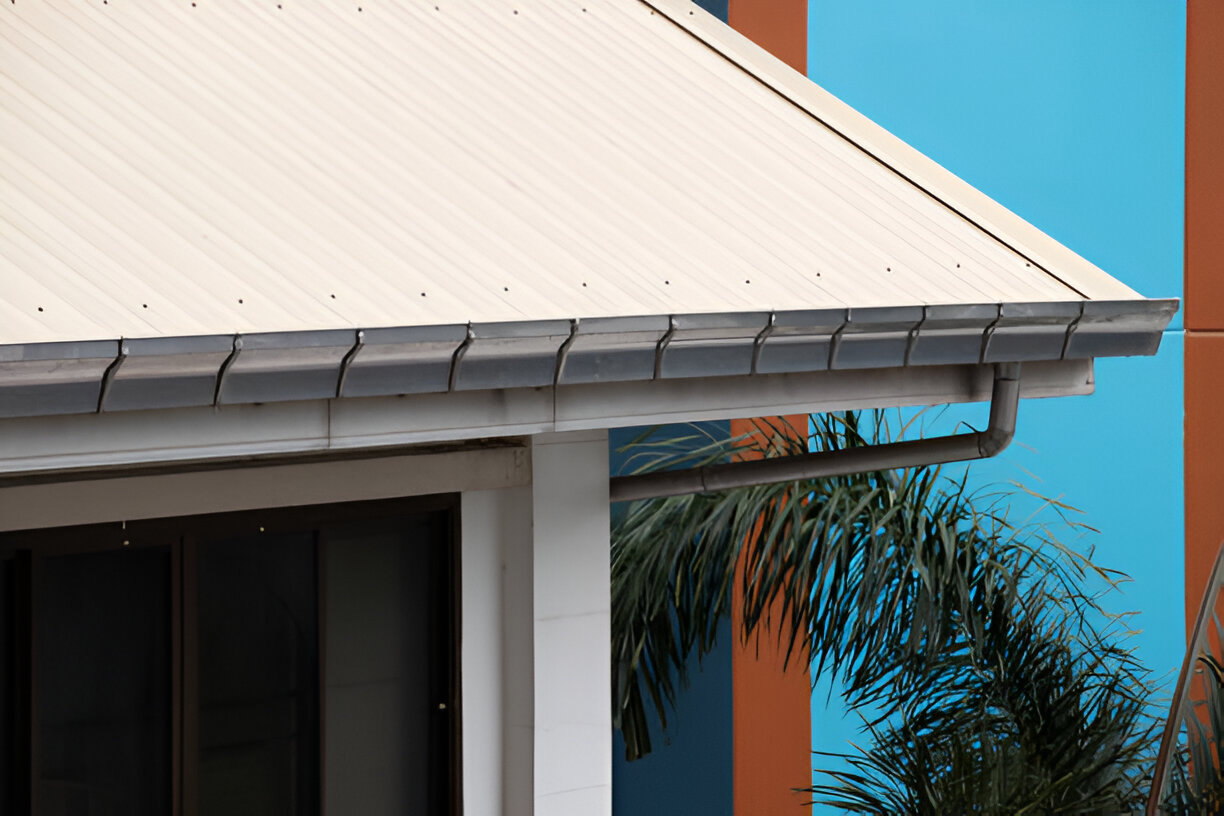
What is Zinc Roofing and What are the Benefits?
If you’re searching for a roofing material that combines modern style, incredible durability, and long-term value, zinc roofing is quickly becoming a top choice among architects and homeowners. Known for its sleek appearance and ability to withstand harsh weather for decades, zinc offers a premium solution that goes far beyond traditional metal roofing. Whether you’re designing a contemporary home or upgrading an older property, zinc roofing delivers a rare mix of beauty, sustainability, and performance, making it one of the smartest roofing investments available today.
What Is Zinc Roofing?
Zinc roofing is made from rolled zinc alloy sheets designed specifically for roofing and cladding. When exposed to moisture and oxygen, zinc develops a natural patina, a protective layer that shields it from corrosion and self-heals small scratches over time. This unique behaviour gives zinc a level of longevity and resilience that few materials can match.
The patina also softens the metal’s appearance over the years, transitioning from a shiny silver finish to a matte, bluish-grey tone that many homeowners and architects find appealing. Its ability to be shaped, curved, and formed makes it a favourite for both modern architectural projects and heritage restorations.
Major Benefits of Zinc Roofing
Zinc’s popularity stems from a mix of functional and aesthetic advantages:
- Exceptional lifespan
A well-installed zinc roof typically lasts 60–100+ years, outperforming most metal and non-metal roofing materials. Its self-forming patina is the key to this longevity. - Low maintenance
Unlike steel, zinc does not require regular painting or heavy maintenance. The patina naturally prevents rust and environmental wear. - Highly sustainable
Zinc is 100% recyclable, has a relatively low manufacturing energy footprint, and doesn’t rely on chemical coatings for protection. - Versatile for design
Because it is lightweight and flexible, zinc is suitable for curved roofs, complex shapes, and architectural features where other materials may fall short. - Elegant, lasting appearance
The natural weathered finish blends beautifully with modern or heritage buildings, offering long-term visual appeal.
How Does Zinc Roofing Compare to Other Materials?
Zinc is often measured against materials like steel, aluminium, and copper. While each has its strengths, zinc’s durability and self-healing properties set it apart.
- Zinc: 60–100+ years, self-healing patina, low maintenance
- Copper: 70–100 years, premium aesthetic, higher cost
- Aluminium: 40–60 years, lightweight but less durable
- Colorbond/steel: 25–40 years, affordable but requires coating upkeep
- Asphalt shingles: 15–30 years, cheapest but shortest lifespan
Its long service life makes zinc one of the most cost-effective premium roofing choices over time.
Drawbacks of Zinc Roofing
While zinc offers outstanding benefits, it’s not ideal for every project. Key drawbacks include:
- Higher upfront cost: It’s more expensive than steel and aluminium options.
- Professional installation required: Incorrect installation can lead to staining or premature wear.
- Not suitable for acidic environments: Highly acidic rainwater or runoff from incompatible metals like uncoated steel can damage the patina.
With proper planning, most of these challenges can be avoided, making zinc reliable and long lasting.
Is Zinc Roofing Environmentally Friendly?
Zinc is considered one of the most eco-friendly roofing materials available. Its long lifespan reduces waste, its manufacturing process requires less energy compared to other metals, and it is fully recyclable at the end of its service life.
Because its natural patina protects it without synthetic coatings or regular repainting, it introduces fewer chemicals into the environment over time. For homeowners seeking a sustainable building material with minimal lifetime impact, zinc is an excellent choice.
How Much Does Zinc Roofing Cost?
Zinc roofing falls into the premium roofing category, costing more than steel but often less than copper. The final price depends on roof design complexity, labour, fixings, and installation method.
Although the initial investment is higher, zinc’s long-term savings are significant. Its minimal maintenance requirements and exceptional lifespan make it a cost-effective option for homeowners planning to stay long-term or wanting a roof that will outlast most alternatives.
Where Zinc Roofing Works Best
Zinc roofing is ideal for:
- Architectural homes
- Heritage renovations
- Commercial or public buildings
- Modern, minimalist designs
- Curved roofs or complex shapes
- Coastal or high-moisture environments
It’s best avoided where runoff will contact incompatible metals (like copper or raw steel) or in locations with extremely acidic rainfall unless additional coatings are used.
FAQs About Zinc Roofing
1. Does zinc roofing rust or corrode over time?
No. Zinc roofing forms a natural protective patina that prevents rust and corrosion. This patina also self-heals minor scratches, allowing the roof to maintain performance for decades even in coastal or high-moisture areas.
2. Is zinc roofing noisy during rain or storms?
Not when installed correctly. Zinc roofs typically include plywood, sarking, and insulation layers underneath, which significantly reduce noise. In many cases, zinc roofing is no louder than tile or Colorbond roofs.
3. Can zinc roofing be used on coastal homes?
Yes. Zinc performs exceptionally well near the coast because the patina layer protects it from salt, moisture, and severe weather. It often outlasts many other metals in coastal environments, provided compatible materials are used.
4. What colours or finishes are available for zinc roofing?
Zinc roofing naturally weathers into a soft grey patina, but it’s also available pre-patinated in shades of light grey, dark grey, black, and even textured finishes. These options provide consistency and reduce the wait for natural weathering.
5. Is zinc roofing compatible with solar panels?
Yes. Zinc roofs can support solar panels safely when mounted using appropriate brackets and non-reactive materials. Installers must avoid incompatible metals, like bare steel or copper, which can cause galvanic corrosion when in contact with zinc.
Zinc roofing offers a rare combination of durability, sustainability and architectural beauty. Its long-term performance makes it a smart investment for homeowners and builders seeking a premium roofing material that requires minimal care. If longevity, eco-friendliness, and a refined aesthetic are priorities, zinc roofing stands out as one of the best options available today.