Roof Replacement vs Roof Repair: How to Know Which Option Saves More Money in 2026
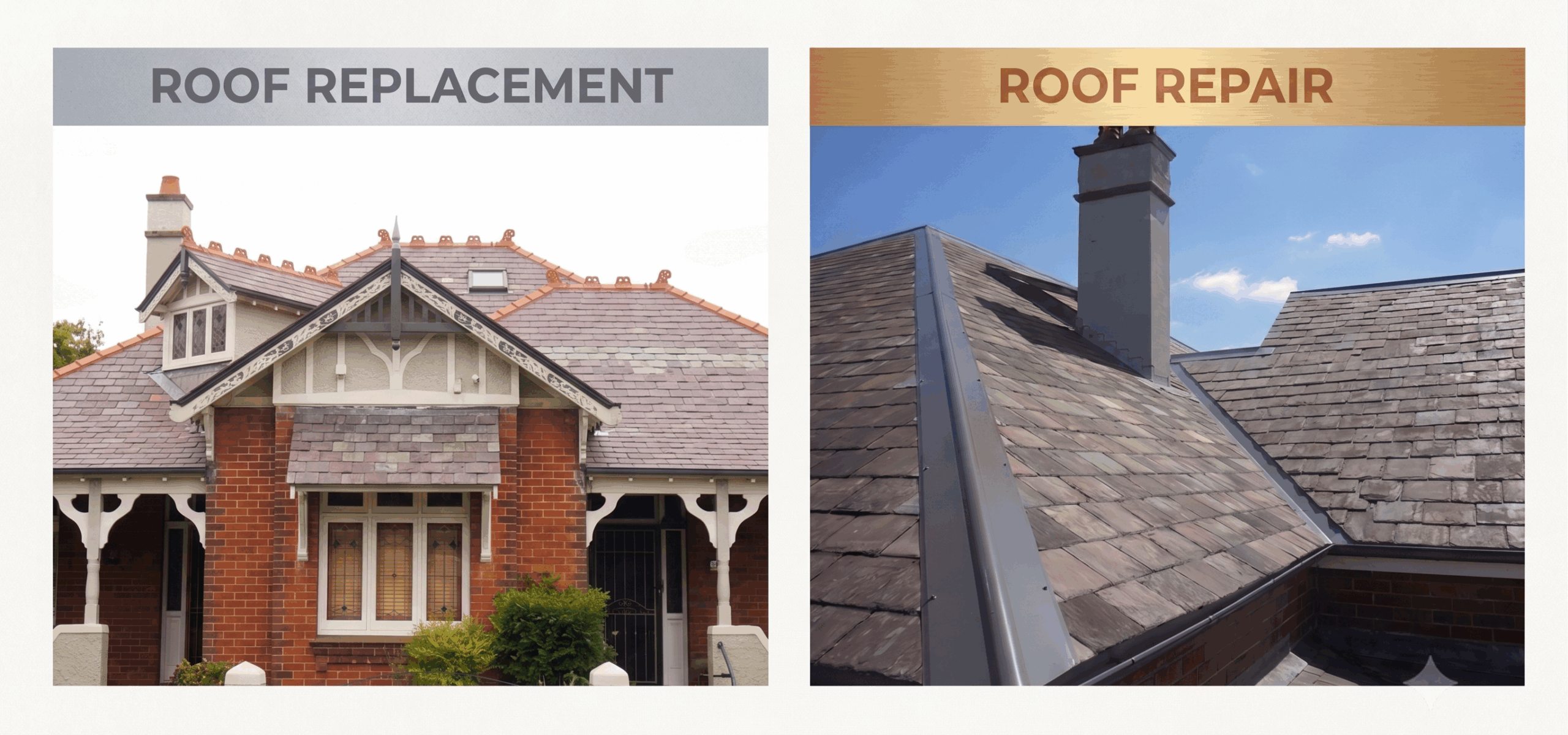
Roofing decisions have become more financially significant in 2026 as material costs, labour rates, and extreme weather patterns continue to influence property maintenance budgets across Australia. For many homeowners, the key question remains simple but critical: should you invest in a roof repair or commit to a full roof replacement?
Choosing incorrectly can lead to repeated expenses, structural damage, and higher long-term costs. According to industry estimates, roof repairs typically cost between 15% to 30% of a full replacement, but repeated patchwork fixes can exceed replacement costs within 5 to 7 years if underlying issues are not addressed early.
This guide breaks down the real cost logic behind both options, helping you make a practical, money-conscious decision while maintaining a durable and safe home.
Understanding Roof Repair and Roof Replacement
Before comparing costs, it is important to understand what each option involves.
Roof Repair
Roof repair focuses on fixing specific damaged areas rather than the entire structure. This may include:
- Replacing broken tiles or shingles
- Fixing minor leaks
- Repairing flashing or ridge caps
- Addressing small storm damage zones
You can read more about ongoing maintenance needs through professional roof maintenance practices that help extend roof lifespan and prevent premature deterioration.
Roof repairs are generally faster and more affordable upfront, making them appealing for minor issues.
Roof Replacement
Roof replacement involves removing the existing roof system and installing a completely new one. This includes underlayment, structural inspection, and full material installation.
Learn more about structured roof replacement solutions that ensure long-term protection and structural integrity.
Replacement is usually recommended when damage is widespread, the roof is ageing, or recurring issues have become costly.
Cost Comparison in 2026: Repair vs Replacement
In Australia, roofing costs have increased by approximately 12% to 18% since 2023 due to material supply chain pressures and labour shortages.
Here is a simplified comparison:
- Minor roof repair: $300 to $1,500
- Moderate roof repair: $1,500 to $5,000
- Full roof replacement: $12,000 to $35,000+ depending on size and material
At first glance, repairs appear more affordable. However, repeated repairs over a short period often result in cumulative costs that exceed a one-time replacement.
A key financial insight in 2026 roofing trends shows that homeowners who repair more than three major issues within five years often spend 20% to 40% more than those who opted for early replacement.
Key Factors That Determine the Right Choice
1. Roof Age
A typical residential roof lasts:
- Asphalt shingles: 15 to 25 years
- Concrete tiles: 30 to 50 years
- Slate roofing: 50 to 100 years
If your roof is approaching the end of its lifecycle, replacement becomes the more cost-effective decision.
Explore professional residential roofing services designed to assess structural lifespan and material performance.
2. Extent of Damage
Repair is suitable when damage is isolated. However, if more than 30% of the roof surface is affected, replacement is generally recommended.
Signs that point towards replacement include:
- Multiple recurring leaks
- Sagging roof structure
- Widespread shingle deterioration
- Mould or insulation damage
3. Weather Exposure in Sydney
Sydney’s climate plays a major role in roof performance. Heavy rain, coastal salt exposure, and high UV levels accelerate wear and tear. This is especially relevant for roof shingles Sydney properties, where weathering can reduce shingle lifespan by up to 20% compared to inland regions.
4. Energy Efficiency Impact
Older roofs often lack modern insulation layers. This can increase cooling costs by 20% to 35% during peak summer months.
A new roofing system installed through modern roofing installation standards improves thermal performance and reduces energy waste, offering long-term savings beyond structural benefits.
5. Frequency of Repairs
If you are calling a roofer every year, repair is no longer cost-efficient. A good rule of thumb is:
- 1 repair per 3 to 5 years: acceptable
- 1 repair per year or more: replacement recommended
Financial Decision Framework for Homeowners
To make a clear decision in 2026, use this simple framework:
Choose Roof Repair if:
- Damage is minor and localised
- Roof is under halfway through its lifespan
- No structural issues exist
- Budget constraints are short-term
Choose Roof Replacement if:
- Roof is nearing end of lifespan
- Damage is widespread or recurring
- Energy bills are increasing due to poor insulation
- You are preparing the property for sale or long-term ownership
Hidden Costs Most Homeowners Overlook
Many homeowners focus only on upfront pricing, but overlook hidden costs such as:
- Water damage to ceilings and walls
- Mould remediation
- Insulation replacement
- Emergency repair callouts
- Temporary roofing fixes
These indirect expenses often increase total spend by 10% to 25% when repairs are repeatedly used instead of replacement.
Long-Term Value Perspective
While roof repair appears cheaper initially, roof replacement delivers stronger long-term value in many cases.
A full replacement can:
- Increase property value by 5% to 10%
- Reduce maintenance costs for up to 20 years
- Improve insulation and energy efficiency
- Provide stronger weather resistance
This makes replacement a strategic investment rather than just a structural expense.
Common Mistakes Homeowners Make
- Delaying repairs until damage spreads
- Choosing the cheapest repair without inspection
- Ignoring small leaks
- Not considering roof age
- Skipping professional assessments
These mistakes often lead to higher costs within a short timeframe.
FAQs
1. How do I know if I need roof repair or replacement?
If damage is localised and the roof is relatively new, repair is suitable. If issues are recurring or widespread, replacement is more cost-effective.
2. What is the average lifespan of a residential roof in Australia?
Most residential roofs last between 20 and 50 years depending on materials and maintenance quality.
3. Is roof replacement worth the cost in 2026?
Yes, especially if your roof is ageing or frequently repaired. It reduces long-term maintenance costs and improves energy efficiency.
4. How often should roof maintenance be done?
Professional inspections should be done at least once a year to ensure early detection of issues.
5. Does roof replacement increase property value?
Yes, it can improve resale value by up to 10% depending on property condition and location.
Conclusion
Choosing between roof repair and roof replacement is not just a short-term financial decision. It directly impacts your property’s safety, energy efficiency, and long-term maintenance costs. In 2026, rising material costs and extreme weather conditions make early planning even more important.
If your roof is showing repeated issues or nearing its lifespan, replacement often proves more cost-efficient over time. However, minor issues can still be effectively managed through timely repairs and consistent upkeep.
For expert guidance, inspections, and dependable service, connect with First Class Slate Roofing. To discuss your roofing needs or schedule an assessment, contact us today and ensure your home is protected with the right solution.