Our Blog
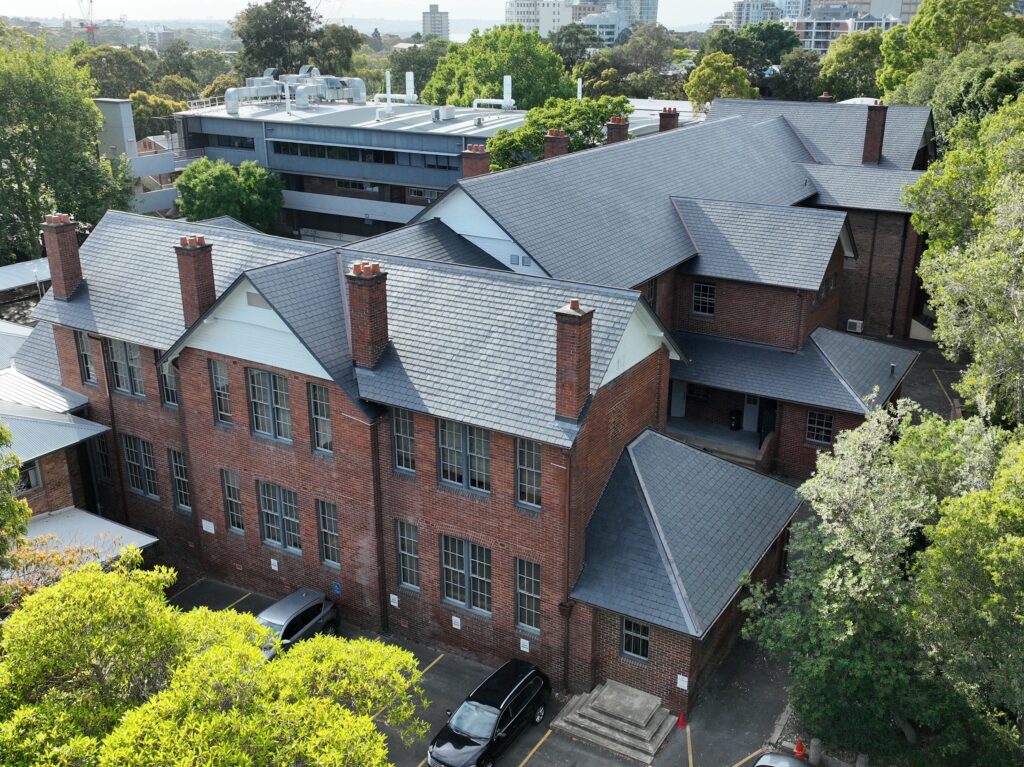
Slate Roofing: Advantages, Disadvantages & Complete Guide for Australian Homeowners
If you’re searching for a roofing option that delivers beauty, strength, and true long-term value, slate roofing stands out as one of the most durable choices available. Known for its natural elegance and incredible lifespan, slate has become a favourite among homeowners looking to upgrade to a premium, low-maintenance solution. Whether you’re renovating a heritage property or building a modern home, slate roofing offers unmatched protection and timeless style, making it a smart investment for anyone wanting a roof that lasts for generations.
What is Slate Roofing?
Slate roofing is made from natural stone that has been split, shaped, and installed as individual tiles. Known for its beautiful textures and colour variations, slate has been used on historic buildings for centuries, and its reputation for longevity remains unmatched.
There are two main types used in slate roofing Australia projects:
- Natural slate (Welsh, Spanish, Canadian, etc.)
- Synthetic/composite slate
For homeowners looking for the best slate for long-term performance, natural slate remains the top choice. Companies like First Class Roofing specialise in premium-grade slates for both heritage homes and modern builds.
Advantages of Slate Roofing
Slate roofing offers exceptional longevity, natural beauty, and superior durability. It’s fire- and mold-resistant, and it handles extreme weather well. Slate requires very little maintenance and rarely deteriorates. It also comes in various colours, grades, and finishes, making it one of the most visually appealing roofing materials. For homeowners wanting a premium, sustainable, natural product, slate is considered one of the top choices.
Other key benefits:
- Extremely long lifespan (75–150+ years)
- Highly resistant to heat, hail, and storms
- Minimal environmental impact compared to manufactured materials
- Adds strong resale value
For many homeowners, these advantages justify the initial investment, especially in climates like Sydney, where durability matters.
Disadvantages of Slate Roofing
The main drawbacks are its high upfront cost, weight, and installation difficulty. Slate requires a skilled specialist, and mistakes can lead to leaks or cracked tiles. Not all homes have the structural support needed for heavy stone roofing. Slate tiles can break if walked on, and replacements must match the original slate type. Costs for repairs and materials can also be higher compared to standard roofing.
These factors make expert slate roof installation essential. Expert companies like First Class Roofing possess the necessary training to safely and correctly install natural stone roofing.
Is Slate Roofing Worth the Cost?
Slate roofing is worth the investment if you want a premium, long-lasting, low-maintenance roof. Although slate roofing can be expensive, it can last 75–150+ years and adds strong resale value and aesthetic appeal. Homes in harsh climates benefit from their durability, fire resistance, and weather performance. However, if your budget is tight or your home structure can’t support its weight, it may not be the most practical option.
If you’re wondering, “Is slate roofing expensive?” The answer is yes, but its lifetime value far exceeds that of cheaper materials that require multiple replacements.
Is Slate Roofing Too Heavy for My Home?
Slate is one of the heaviest roofing materials, and not every home is built to support it. A structural inspection is essential before installation. Reinforcement may be required, adding to overall cost. If your home can handle the load, weight becomes an advantage; heavy roofs resist wind uplift and severe weather more effectively.
Professional installers like First Class Roofing can assess whether your home is suitable for natural slate.
How Long Does Slate Roofing Last Compared to Other Materials?
A well-installed natural slate roof can last 75–150+ years, far outperforming materials like asphalt (15–30 years), metal (30–50 years), and concrete tiles (40–60 years). Premium Welsh or Spanish slate can last well over a century. This exceptional lifespan is one of the biggest reasons homeowners choose slate, despite the higher initial cost.
This longevity also reduces the need for frequent slate roof replacement.
Maintenance Guide for Slate Roofing
Slate roofs need minimal maintenance. Homeowners should schedule inspections every 1–2 years to check for cracked or slipped tiles, flashing issues, and gutter blockages. Because slate can break under pressure, only trained slate roofing professionals should walk on or repair it. Timely replacement of damaged tiles can help the roof maintain its century-long lifespan.
If issues arise, it’s important to hire specialists who provide slate roof repairs rather than general roofers.
Natural Slate vs. Synthetic Slate Roofing
Natural slate is made from quarried stone, offering unmatched longevity, fire resistance, and authentic beauty. It can last over a century.
Synthetic slate (rubber/composite) is lighter, cheaper, and easier to install, making it suitable for homes that can’t support heavy stone. However, it won’t last as long (typically 30–50 years) and may not match the premium look of real slate.
Most slate roofing Sydney homeowners choose natural slate for superior lifespan and appearance.
Final Verdict: Who is Slate Roofing Best For?
Slate roofing is ideal for:
- Heritage or architecturally designed homes
- Homeowners wanting long-term value
- Properties built to support heavier roofing
- Those seeking a premium, low-maintenance roofing solution
If you want a roof that can last over a century, looks beautiful, and withstands Australian weather, slate roofing is hard to beat.
1. How much does slate roofing cost in Australia?
Slate roofing is one of the most premium roofing options, typically costing more than metal or tile. In Australia, prices vary based on slate type, roof complexity, and installation requirements. While the upfront cost is higher, slate’s lifespan of 75–150+ years often makes it more cost-effective than multiple replacements of cheaper materials.
2. Is slate roofing suitable for Australian weather?
Yes. Slate performs extremely well in Australia’s varied climate. It handles heat, storms, rain, salt air, and bushfire conditions. Its natural density makes it resistant to cracking, fading, and moisture damage, ideal for regions like Sydney with heavy rainfall or coastal exposure.
3. Can my existing home support slate roofing?
It depends on the structure. Slate is heavier than most roofing materials, so an inspection is required to ensure your roof frame can carry the load. Some homes may need reinforcement before installation. A slate roofing specialist can assess this and recommend the best approach.
4. How often does a slate roof need maintenance?
Slate roofs are low-maintenance and usually only require a check-up every 1–2 years. Maintenance typically involves inspecting flashing, replacing any cracked tiles, and clearing gutters. Because slate is fragile under pressure, only professional slate roofers should walk on or repair it.
5. What’s the difference between slate roof repairs and slate roof replacement?
Slate roof repairs involve resolving small issues such as cracked, slipped, or missing tiles, flashing faults, or minor leaks.
Slate roof replacement is recommended when large sections are worn, the roof was poorly installed originally, or repairs become frequent and costly. A professional roofer can advise whether targeted repairs or a full replacement is the better long-term solution.