Heritage Slate Roof Restoration in Sydney: A Guide for Homes and Churches
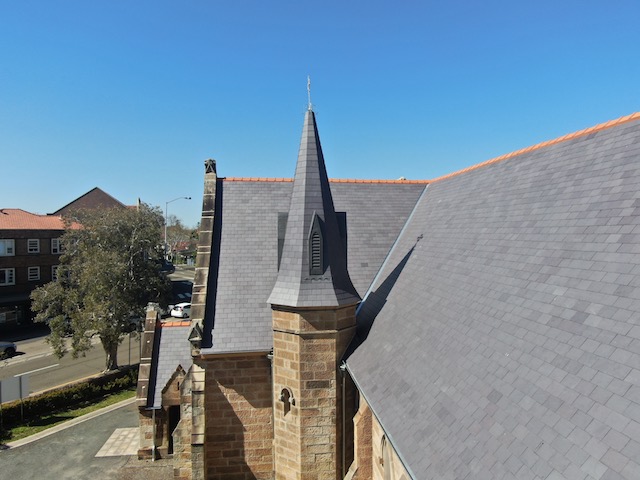
Few roofing materials carry the history of a building quite like slate. On a sandstone cottage in Sydney’s Eastern Suburbs or a church that has stood for generations, the roof is part of the architecture. Careful heritage slate roof restoration protects that character for another century or more, while poor workmanship can undo it in a fraction of that time.
Whether you’re responsible for a heritage home, a church, a school or an institutional building, choosing the right specialist makes all the difference. This guide covers what to consider before commissioning slate roof repairs, restoration or replacement.
Why Natural Slate Suits Heritage Buildings
There’s a reason natural slate has lasted for centuries. It’s naturally fire-resistant, holds its colour and weathers beautifully. Its distinctive texture and natural variations give traditional buildings a character that modern roofing substitutes struggle to replicate.
For heritage property owners, authenticity matters just as much as durability. Replacing an original slate roof with a cheaper material can change the building’s appearance and detract from its architectural value. Retaining and restoring the original slate, wherever possible, helps preserve both.
Heritage Homes and Cottages: Protecting Original Character
A heritage home deserves more than a standard roofing repair. Matching the existing slate means getting the size, colour, thickness and coursing right, while preserving details such as ridges, hips, finials and chimney flashings. This attention to detail is what separates specialist heritage roofing from general roof work.
Sydney’s older suburbs are home to some of the country’s finest slate roofs, from Victorian terraces in Paddington and Woollahra to Federation homes in Hunters Hill, Balmain and Mosman. Whether your home is in the Eastern Suburbs, on the North Shore or in the Inner West, the same principle applies: repair and match before you replace.
Maintenance is equally important. Inspections every few years, particularly after severe storms, can identify slipped slates, damaged fixings and lifting flashings before water reaches the original timber and plasterwork.
Heritage Approvals: What to Check Before Work Begins
If your property is heritage-listed or located in a heritage conservation area, check what approvals apply before any roofing work starts. The requirements depend on how the property is listed:
- State Heritage Register items: Work generally needs approval from the Heritage Council of NSW, although some minor repairs and maintenance may be covered by the standard exemptions.
- Locally listed items and conservation areas: These are managed by your local council. Depending on the scope, work may need a development application or a heritage exemption from council.
- Buildings with a conservation management plan: Many churches, schools and institutional buildings have one, and it may set out how the roof and its materials should be treated.
Like-for-like repairs are often treated differently from replacing slate with another material, which is one more reason to retain the original slate where you can. A specialist familiar with heritage buildings will understand what needs to be documented and can provide the detailed scope that council or a heritage consultant may ask for.
Churches, Colleges and Schools: Roofs Built for Community
Institutional buildings bring their own challenges. A church roof may be steep, tall and architecturally complex, while roofing work at a school or college needs to be carefully planned around students, staff and visitors.
Look for a contractor who understands access requirements, worksite safety and project staging, and can communicate clearly with building managers. Experience with universities, schools and government buildings is a good indication that a roofer understands these responsibilities. You can read more about our work on churches, colleges and schools.
Written scopes and guarantees are particularly important when a roof is managed by a board or committee. Everyone needs a clear record of the work, materials and responsibilities.
Common Problems with Older Slate Roofs
Slate itself is remarkably durable, but the components around it can deteriorate much sooner. Common problems include:
- Slipped or cracked slates: Often caused by corroded fixings or previous disturbance.
- Failed flashings: Particularly around chimneys, valleys and walls, where water can find its way in.
- Worn lead and copper: Metalwork eventually reaches the end of its service life.
- Deteriorated battens and underlay: These can weaken beneath slate that still looks sound.
- Poor previous repairs: Mismatched slate, inappropriate sealants and temporary patches can conceal underlying problems.
A thorough on-site inspection helps identify the actual cause of leaks and damage before they develop into more serious structural problems.
Matching Slate, Lead, Copper and Zinc
Good heritage roofing depends on choosing materials that complement the original building. Premium imported slates, including Welsh Penrhyn, Canadian Glendyne and Spanish Cafersa, each have their own colour, texture and character. An experienced specialist can help select the closest match for an existing roof or recommend a suitable option for a new installation.
The metalwork deserves the same attention. Lead has long been used for traditional flashings and roof details, while copper and zinc, including Rheinzink, suit features such as domes, turrets and box gutters.
Having one contractor handle the slate, lead, copper and zinc work also means fewer handovers and clear accountability for the finished roof.
Repair, Restore or Replace?
Not every ageing slate roof needs replacing. When the underlying structure is sound, slate roof repairs, such as replacing slipped slates and renewing damaged flashings, can extend its life for many years.
When fixings and battens have deteriorated across larger sections, restoration may be the better option. This generally involves salvaging reusable slate and relaying it over new battens and underlay, preserving the original appearance while addressing the underlying problems. For many heritage buildings, this approach strikes the best balance between longevity and authenticity.
Complete replacement may be necessary when the slate or supporting structure is beyond practical repair. A trustworthy specialist will assess the roof, explain the available options and show you why a particular approach is recommended. You can see examples of restoration and replacement projects in our case studies.
What a Heritage Slate Roofer Should Provide
Before appointing a contractor, look for:
- A free, no-obligation quote based on a proper on-site assessment.
- A clear written scope outlining the slate, flashing materials and work involved.
- Licensed and insured tradesmen carrying out the work.
- An experienced craftsman on site who takes responsibility for the finished result.
- A written guarantee covering repairs or new installations.
Why Clients Choose First Class Slate Roofing
First Class Slate Roofing has been Sydney’s preferred slate roof installer for over 20 years. Our master slate roofers and craftsmen provide slate roofing services for heritage homes, churches, colleges, schools and government buildings across Sydney and NSW.
Scott Barton, our lead craftsman, is on site for all work, providing direct accountability throughout the project. We’re fully licensed and insured, offer free quotes and provide a 20-year written guarantee on all new work, along with a written guarantee on repairs.
Protect Your Heritage Roof for Generations to Come
A slate roof is part of a building’s history, and the right workmanship can help it remain that way for another century or more. Whether you need targeted repairs, a complete restoration or a new installation, choosing an experienced specialist protects both the building and its architectural character.
Ready to discuss your roofing project? Request a free, no-obligation quote and speak directly with a craftsman about your heritage roof.
Heritage Slate Roof FAQs
How long does a slate roof last?
Natural slate can last a century or more, often outliving several sets of fixings, battens and flashings. Most problems on older roofs come from these components rather than the slate itself, which is why regular inspections and timely repairs make such a difference.
Do I need council approval to repair a heritage slate roof?
It depends on how the property is listed and the extent of the work. Minor like-for-like repairs are often treated differently from a full replacement or a change of material. Check with your local council, or with Heritage NSW for State Heritage Register items, before work begins.
Can the original slate be reused?
Often, yes. During a restoration, sound slates are carefully removed, sorted and relaid over new battens and underlay. Any shortfall can be made up with salvaged or new slate chosen to match the original as closely as possible.
How often should a heritage slate roof be inspected?
An inspection every few years is a sensible baseline, along with a check after any severe storm. Early attention to slipped slates and lifting flashings helps protect the timber and plasterwork below.