Lead Roofing Specialist in Sydney: What to Look For Before You Hire
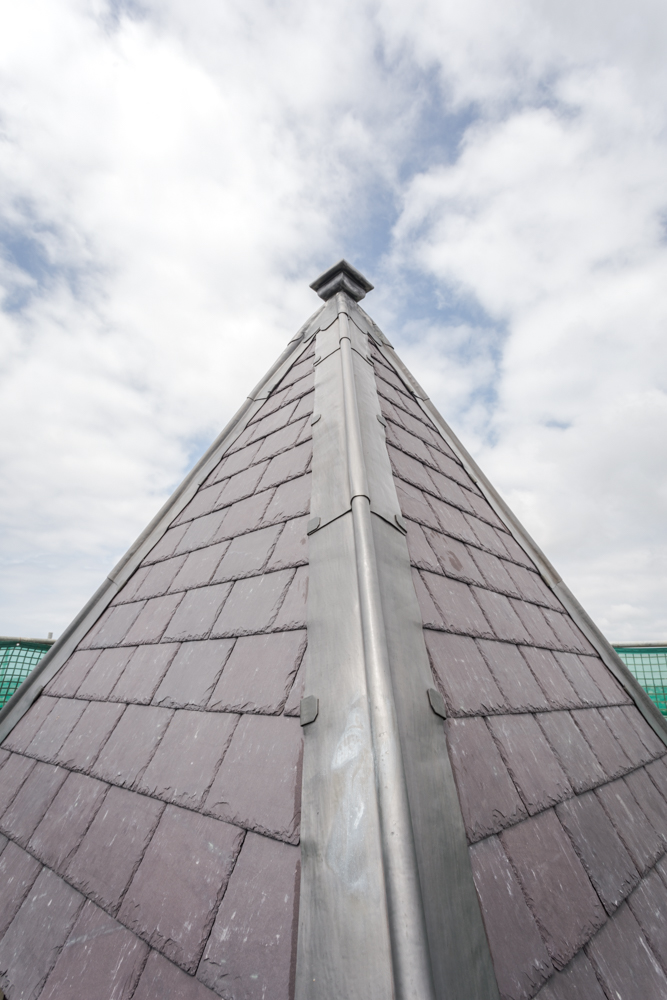
On most heritage roofs, the slate gets the admiration and the lead does the work. Flashings, valleys, hips and parapet gutters are where roofs meet walls, chimneys and weather, and they are where most leaks begin. Choosing the right lead roofing specialist in Sydney is therefore one of the most important decisions you will make for an older building. This guide explains what leadwork involves, what drives the cost, the warning signs of poor workmanship and the questions that separate true craftsmen from general roofers.
Why Leadwork Is a Specialist Trade
Lead is one of the oldest roofing metals, and it remains a favourite on heritage buildings for good reason. It is soft enough to be formed by hand around chimneys, finials and complex junctions, and durable enough to protect those details for many decades when installed correctly.
That workability is also a challenge. Lead expands and contracts with temperature, so it must be laid in correctly sized sections with proper joints, rolls and fixings. Lead sheet is supplied in different weights, and the right choice depends on the detail it protects. Get these decisions wrong and the metal can crack, creep or split, letting water into the roof structure.
A good lead roofer learns this craft over years on real roofs, not from a datasheet.
Where Lead Roofing Is Used
Leadwork appears across Sydney’s heritage and institutional buildings. Common applications include:
- Chimney flashings and aprons, where brickwork meets the roof plane.
- Valleys and box gutters, which carry large volumes of water off slate roofs.
- Hips, ridges and parapet details on period homes, churches and schools.
- Lead flashing around skylights, vents and wall junctions, where movement and moisture meet.
On a slate roof, lead and slate work as one system. If the lead fails, even a perfectly laid slate roof will leak. Copper and zinc, including Rheinzink, are often specified beside lead on domes, turrets and feature roofs, so a specialist should be comfortable with copper and Rheinzink work as well as lead.
What to Look For in a Lead Roofing Specialist
Many roofing companies offer leadwork. Fewer do it as a core craft. Look for these markers.
- Proven experience in heritage and slate roofs. A roofer who works with slate every week understands how lead should integrate with it. Two decades in the trade builds judgement that no short course can match.
- A named craftsman on site. Ask who will actually form and fix the lead. Personal accountability from a lead tradesman is worth far more than a rotating crew.
- Capability across lead, copper and zinc. A team that works with all three metals can recommend the right one for each detail rather than defaulting to what it knows.
- Licensed and insured tradesmen. Work at height on churches, schools and heritage homes leaves no room for shortcuts.
- Written guarantees. A verbal promise on the doorstep is not enough. Ask for a written guarantee on both repairs and new work.
- A proper inspection first. A reputable specialist assesses the whole roof, not just the visible leak.
Warning Signs of Poor Leadwork
Because leadwork is hidden at junctions, mistakes can sit unnoticed for years. Be wary if you see or hear any of the following:
- Sealant or tar used as a primary fix instead of properly formed lead.
- Lead that is cracked, split or lifting at the edges.
- Patches laid over failing metal rather than replacing it.
- Vague quotes that do not state the lead weight, the extent of replacement or the guarantee.
- Pressure to sign quickly, or a low price with no site inspection.
Questions to Ask a Lead Roofer Before You Hire
A good specialist welcomes detailed questions. Put these to every contractor you are considering:
- Who will carry out the leadwork, and how long have they worked with lead?
- What lead weight do you recommend for each detail, and why?
- Will you inspect the battens, underlay and slate around the flashings?
- How do you handle and dispose of lead safely on site?
- What written guarantee comes with the work?
- Can I see recent projects on comparable buildings?
Lead Flashing Repair or Replacement?
Not every lead flashing needs replacing. Localised splits or lifted edges can sometimes be repaired, especially when the surrounding metal is sound. When lead is thin, widely cracked or has reached the end of its service life, replacement is the sounder investment, because repeated patching costs more over time and risks hidden water damage. Where the slate around the flashing is also damaged, it is usually best to handle slate roof repairs at the same time, while access is set up.
A trustworthy specialist will show you the condition of the metal, explain the options and let you decide.
Ask for photographs of the existing lead before and during the work. Clear photos of cracks, failed joints and corroded fixings give you evidence to compare quotes and a record for your building file, which is valuable for heritage properties and for institutions that report to a committee or board.
What Affects the Cost of Leadwork?
Every leadwork quote is different, because no two heritage roofs are the same. The main factors are:
- Access and scaffolding. Tall churches, steep pitches and tight inner city sites need more scaffolding and safety equipment.
- The extent of the work. Replacing a single chimney apron is a very different job from relining every valley and box gutter.
- Lead weight and detailing. Heavier lead and complex hand formed details take more material and more skilled labour.
- Hidden damage. Rotten battens, failed underlay or broken slate found once the old lead is lifted will add to the scope.
- Heritage requirements. Matching original details and materials on listed buildings can take extra time.
The most reliable way to compare prices is to get written quotes that set out the same scope, lead weight and guarantee.
Leadwork on Heritage Listed Buildings
If your building is heritage listed or sits in a heritage conservation area, check what approvals apply before work starts. Like for like repairs are often treated differently from changes to a roof’s appearance or materials, but the rules vary, so confirm with your local council or Heritage NSW. An experienced heritage roofing contractor will be familiar with this process and can provide the detail and photographs your approval or committee needs.
Why Clients Choose First Class Slate Roofing
First Class Slate Roofing has been Sydney’s preferred slate roof installer for over 20 years. Our master slate roofers and craftsmen handle slate, lead, copper and zinc together, so every junction is formed by people who understand the whole roof. Scott Barton, our lead craftsman, is on site for all work, and one person is always accountable for the result. You can meet the team behind every project.
We provide a 20-year written guarantee on all new work, a written guarantee on repairs, free no-obligation quotes and fully licensed, insured tradesmen. Our experience spans heritage homes, churches, colleges and schools, universities and government buildings across Sydney and NSW. See examples in our project gallery.
Talk to a Lead Roofing Specialist
The right lead roofer combines material knowledge, steady hands and the willingness to put a guarantee in writing. Take time to compare experience, inspect past work and ask detailed questions. Properly formed lead protects a heritage roof quietly for decades, and the right craftsman is what makes that possible.
Ready to talk about your roof? Request a free, no-obligation quote and speak directly with a craftsman about your leadwork.
Frequently Asked Questions
How long does lead flashing last?
Correctly specified and installed lead flashing can last for many decades. Its life depends on the lead weight, how well it was detailed and fixed, and its exposure to weather. Poorly installed lead can fail far sooner.
Can lead flashing be repaired?
Yes, small splits and lifted edges can often be repaired if the surrounding lead is in good condition. If the lead is thin, widely cracked or near the end of its life, replacement is usually the better long term option.
Is lead still used on roofs in Australia?
Yes. Lead sheet is still widely used for flashings, valleys and gutters, particularly on slate and heritage roofs, because it can be hand formed around complex details and lasts a long time when properly installed.
Do I need a specialist for lead flashing, or can any roofer do it?
Many roofers can fit simple flashings, but complex leadwork on slate and heritage roofs needs a craftsman who forms lead by hand and understands how it moves. Ask to see examples of comparable work before you hire.